
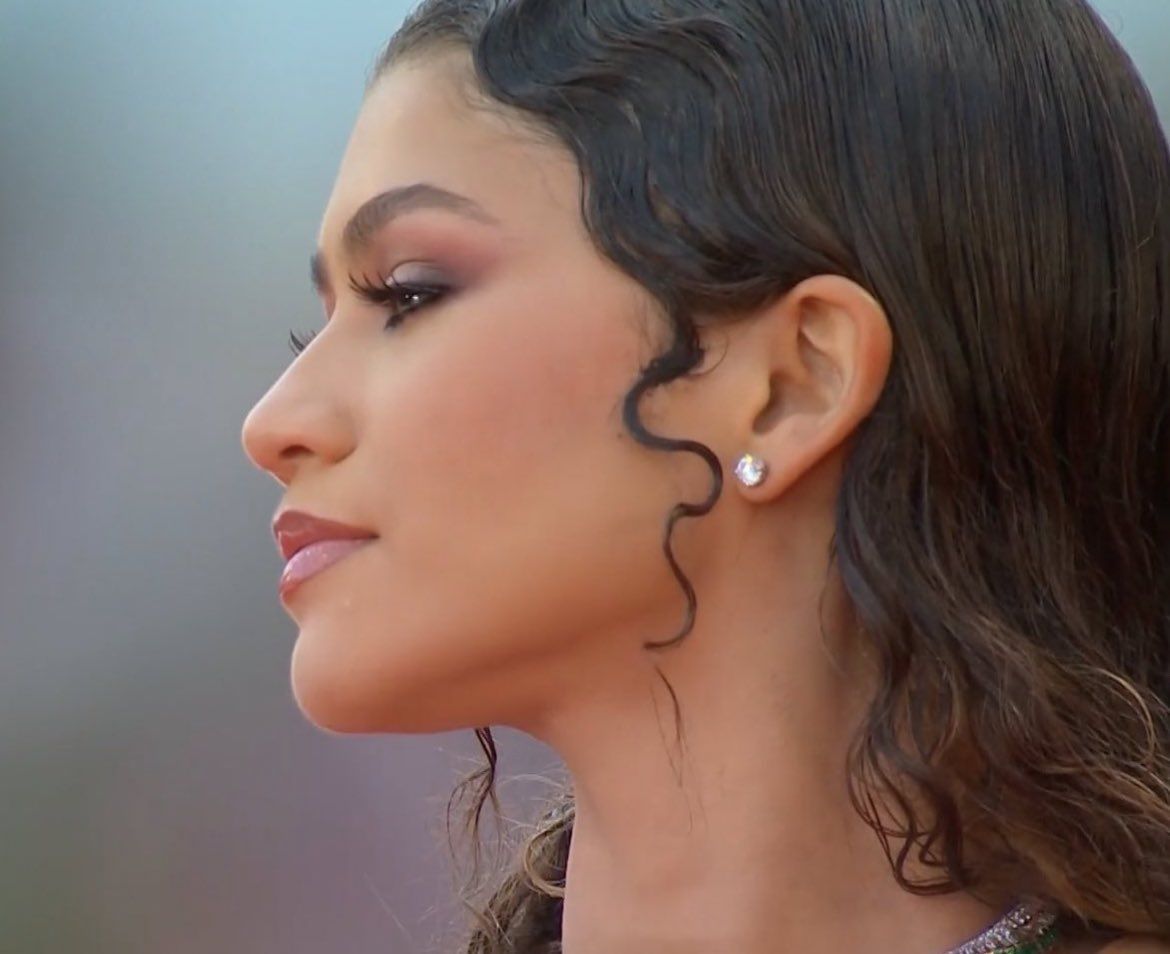
The front of an earring is usually what catches your eye. The piece behind your ear is what determines how it fastens, how it feels throughout the day, and how easily you can put it on or take it off. From petite diamond studs to sapphire hoops, understanding earring backs can make shopping—and wearing jewelry—more comfortable and confident.
The most common choices include butterfly or friction backs, screw backs, locking backs, leverbacks, fishhook wires, hinged hoop closures, and omega backs. None is automatically perfect for everyone. Fit, earring weight, piercing anatomy, metal composition, and how you handle the closure all matter.
Quick guide: Butterfly backs are common on everyday studs. Screw backs and some locking mechanisms offer different approaches to holding studs in place. Leverbacks add a closing arm to drop or hoop styles. Fishhooks are easy to thread but usually remain open unless a separate stopper is used. Always verify the actual closure on the individual product page.
Earring back types compared
| Closure | How it works | Best consideration |
|---|---|---|
| Butterfly / friction | A small backing slides onto a straight post and grips it | Ease of daily use; check grip and fit |
| Screw back | A threaded backing twists onto a compatible threaded post | May take longer to put on; correct thread fit matters |
| Locking back | A designed catch or release mechanism retains the backing | Understand the specific release system |
| Leverback | A hinged arm closes behind an ear wire or integrated fitting | Popular for drops and some hoops |
| Fishhook / French wire | A curved wire passes through the piercing and hangs | Simple movement; consider compatible stoppers |
| Hinged or click hoop | The earring opens at a hinge and closes into a catch | Confirm the specific catch engages correctly |
| Omega back | A hinged, curved support presses gently behind the lobe | Fit and pressure should be checked carefully |
Design details vary by manufacturer. A closure's name does not guarantee that a particular pair cannot come loose.
What are butterfly backs on earrings?
Butterfly backs—also called push backs, friction backs, or butterfly clasps—are familiar on classic studs. A small metal component with two folded sections slides onto the post and holds by friction. They are generally easy to put on and remove and can be a practical everyday option for small to medium stud earrings.
A properly fitting butterfly back should hold the earring without pressing tightly into the lobe. If it slips too easily, the backing may be worn, mismatched or stretched. Do not squeeze or reshape a valuable backing aggressively at home; ask a jeweler to inspect or replace it with a compatible one.
For larger pearl or gemstone studs, consider the size and weight of the decorative front as well as the closure. An earring can tip forward even when the clasp has not come loose. A jeweler can advise on suitable supportive backings for a particular pair.
Are screw backs more secure than push backs?
A screw back threads onto a specially made post, so it will not simply slide off the way an improperly fitted friction back might. That can be reassuring to some shoppers, but screw backs are not automatically loss-proof: they can loosen if not properly engaged, and the threads must be clean and compatible. They also take more time and dexterity to fasten.
Locking earring backs form another category. Some mechanisms click or lock onto a groove in a special post; others use their own proprietary design. Verify exactly how the fastening works before assuming it fits existing earrings. Do not attempt to use a screw or locking back on a post not designed for it.
Leverback earrings: how does the clasp work?
A leverback typically has a curved wire or post that passes through the piercing and a hinged arm that closes behind it. The closing mechanism gives the earring an additional retaining component, making leverbacks popular for dangles, pearls and some hoops.
The lever must move freely and meet its fastening point properly. Before wearing a pair, check that the arm closes as designed and stays closed through gentle movement. If the mechanism is bent, misaligned or difficult to engage, avoid forcing it and have it checked professionally.
Fishhook earrings vs. leverback earrings
A fishhook—also called a French wire—has an elegant curved profile and usually stays open at the back. This allows the jewelry to swing naturally but also means an open hook may slide backward if caught or tugged. Small silicone or other compatible stoppers can sometimes help, provided they are appropriate for the hook and fit securely.
A leverback uses an additional moving part that closes behind the ear. That does not make every leverback better for every situation; the quality of the mechanism, correct fit and earring weight still matter. If you frequently lose earrings while changing clothing or scarves, it is worth comparing these designs in person.
Huggie hoops, hinged closures and omega backs
Huggie earrings are small hoops designed to sit close to the ear, but their closures vary. Some have a hinged post that snaps into a catch; others use leverback or latch-style systems. Look at the actual product photograph and read the fastening description. Avoid describing every huggie as a click hoop.
Omega backs are often associated with larger earrings. Their hinged curved supports can help distribute the way a design rests against the earlobe, but pressure and fit must be considered carefully. They are not interchangeable with standard friction backs.
Six Suzy Levian earrings with verified closures
The examples below come from active Suzy Levian listings. Their closure types are stated in each product description; these are examples of actual designs rather than illustrations of every closure type discussed above.
Butterfly backs: classic diamond studs
These classic 14K white-gold studs have two round natural diamonds totaling approximately 0.20 cttw and are listed at about 3.5 mm. The product specifies butterfly clasps. The small silhouette is a good way to understand why friction backs are popular for discreet, everyday studs.

Butterfly backs: freshwater pearl studs
The catalog describes 7 mm pink freshwater pearls secured with 14K gold butterfly backs. This example shows the same general closure family used on a fuller, rounded pearl front. Check how the back sits against your lobe; the size of the front can affect the balance.

Explore the 14K White Gold 7 mm Pink Freshwater Pearl Stud Earrings
Leverbacks: emerald-cut CZ halo drops
An emerald-cut white cubic zirconia framed by smaller pavé-set white CZ stones creates a bright drop. The listing specifically states a leverback closure, which uses a moving metal arm behind the ear to help keep the hook in place rather than leaving it open.

Explore the Sterling Silver Emerald-Cut Cubic Zirconia Halo Dangle Earrings
Leverbacks: sapphire crossing hoop earrings
Natural blue sapphires alternate with created white sapphires along the outer and inner faces of these sterling-silver hoops. The product specifies a leverback safety closure. Do not assume all hoops fasten the same way: check the actual mechanism in the listing and product photos.

Explore the Sterling Silver Blue Sapphire Crossing Hoop Earrings
Fishhook: petite Asscher-cut CZ earrings
These sterling-silver drops combine a larger Asscher-cut cubic zirconia with a smaller square stone and a pavé detail at the hook. Their product listing identifies a fishhook closure. The curved wire design allows a graceful hang, but an open wire may need an appropriate compatible stopper for wearers concerned about accidental slipping.

Explore the Sterling Silver Asscher-Cut Cubic Zirconia Petite Dangle Earrings
A compact gold hoop with a leverback closure
The 13 mm 14K yellow-gold huggies feature 14 round natural diamonds totaling approximately 0.50 cttw. Their catalog description states a leverback safety closure. This is a reminder that the word huggie describes a close-to-the-ear hoop style, not one universal backing mechanism.

Explore the 14K Yellow Gold 0.50 cttw Diamond Huggie Hoop Earrings
Which earring backs are most comfortable for sensitive ears?
Comfort depends not only on the closure shape but also on metal composition, backing pressure, post thickness, earring weight, and the location and condition of the piercing. A snug back should not pinch or embed in the earlobe, and a loose one should not let the front sag or move excessively.
A stamp such as 925 sterling silver or 14K gold describes the metal alloy or purity, not the full list of alloying metals or a guarantee that the jewelry will be suitable for everyone. If you have known metal sensitivities, confirm the specific components with the seller or a qualified professional. For ongoing irritation, swelling, discharge or pain, remove the source of irritation if safe to do so and consult a healthcare professional rather than assuming the fix is a tighter backing.
How to keep earring backs from coming loose
- Check the pair before wearing it. Gently confirm both backs are present and the mechanism engages the way it should.
- Use the correct backing for the post. Earring posts vary in thickness and construction. A mismatched back can damage the jewelry or fail to hold it.
- Do not overtighten. A backing pushed too firmly into the lobe can trap moisture and create discomfort.
- Remove earrings before activities that may catch them. Sweaters, scarves, hairbrushes, helmets and vigorous exercise can pull at posts, hooks or hoops.
- Inspect worn or damaged parts. If a leverback no longer closes or a butterfly back slides freely, have it serviced or replaced rather than relying on it.
- Store each pair together. Keep compatible backs paired with their earrings and avoid mixing them casually between designs.
Earring backs FAQ
What are the most common backs for stud earrings?
Butterfly or friction backs are widely used on studs. Some stud designs instead use threaded screw backs or specialized locking systems.
Do butterfly backs wear out?
They can lose tension or become damaged over time. If a back no longer holds consistently, replace it with a properly fitting component rather than trying to force it into position.
Can you change earring backs?
Sometimes, but compatibility is essential. Post thickness, material, threads and special locking grooves all matter. A professional jeweler can help evaluate safe options.
Are leverbacks good for heavier earrings?
They can be useful on many dangling styles, but the total weight and the ear's comfort remain key. The presence of a closing lever does not make an excessively heavy earring comfortable or eliminate pressure on the piercing.
What is the difference between a fishhook and an omega back?
A fishhook is usually an open curved ear wire from which the design hangs. An omega back is a hinged support that closes against the earlobe, often found on substantial earrings.
How tight should earring backs be?
Secure enough to retain the earring, but not so tight that the lobe is compressed or irritated. You should be able to adjust or remove the earring without forcing the post.
Choose a closure that suits the way you live
When shopping for earrings, take a moment to read beyond the gemstone, the cut and the metal. A comfortable, properly functioning backing contributes to the experience of wearing a piece you love. Whether you prefer easy butterfly-backed diamond studs, a graceful fishhook drop, or a closing leverback design, the right fit matters as much as the front of the earring.
For more help with front-facing proportions, see our stud earring size guide. For cleaning and storage, consult the Suzy Levian jewelry care guide.